360º Educational Walking Tour
What happens when a walking tour becomes an interactive digital experience? The STAR 360° Educational Walking Tours offer a different way of discovering a city: not simply by visiting its most famous places, but by exploring the stories, memories, communities and social issues that shape them.
As part of the STAR project, youth workers in Novi Sad, Barcelona, Rome, Ajloun, Kumanovo and Tirana created Educational Walking Tours based on their local contexts and experiences. These tours were developed using the STAR methodology, which encourages young people and youth workers to explore their surroundings, identify meaningful stories and create educational experiences that connect places with the people and issues behind them.
The 360° video format adds another dimension to these experiences. Instead of following a traditional route in person, you can explore the tours virtually and interact with the places from wherever you are. Moving through the streets and locations, you can discover different points of view, listen to stories and learn about aspects of each city that may remain invisible to conventional tourism.
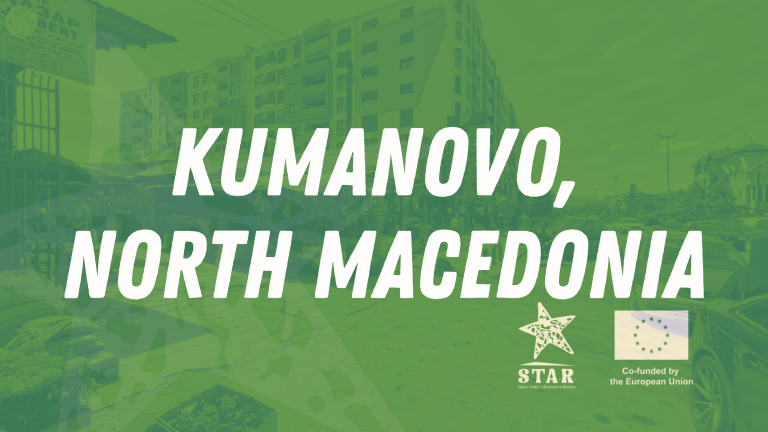
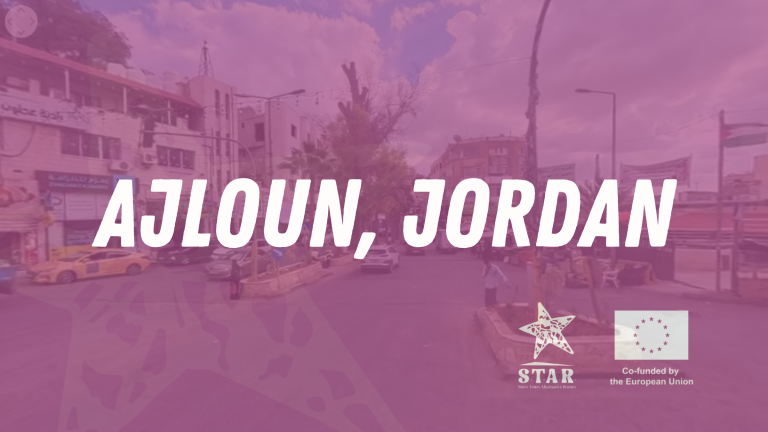
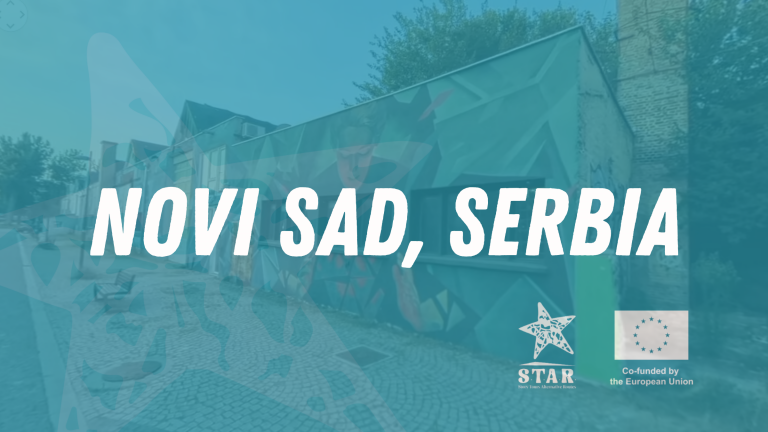
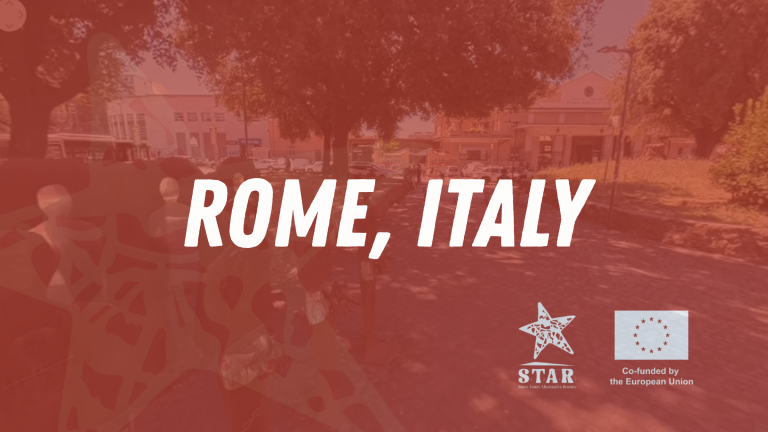
Click on the images below to watch and interact with the 360° Educational Walking Tours:
STAR Resources: Tools and Guidelines for Educational Walking Tours
The tours were developed using the STAR methodology and the resources created within the project, including the Toolkit: How to Organise an Educational Walking Tour and the Guidelines for Digital Storytelling and Educational Walking Tours. Together, these resources provide practical guidance on designing educational walking tours, developing stories and narratives, engaging young people and communities, and using digital tools to create more interactive and accessible learning experiences:
The STAR Toolkit: How to Organise an Educational Walking Tour is a practical resource for young people, youth workers, educators and organisations interested in using Educational Walking Tours for non-formal learning, inclusion, storytelling and community engagement. It offers a step-by-step approach to designing and facilitating a tour, from group building and community mapping to storytelling, working with sensitive groups, digital tools, planning and evaluation. Practical exercises, facilitation tips and a final checklist support users in turning local places and stories into participatory learning experiences.
The Guidelines for Digital Storytelling and Educational Walking Tours explore how storytelling and digital technologies can transform a simple walk into an engaging and interactive learning experience. The guide introduces tools such as video, audio, interactive maps, QR codes and 360° cameras, while providing practical advice on planning tours, creating narratives, recording and editing 360° footage and developing interactive content. It is designed to help young people, youth workers, trainers and organisations create more inclusive, accessible and participatory educational experiences rooted in local communities.
Discover the full collection of STAR publications, including research reports, toolkits, guidelines and other materials developed throughout the project.