
Activities

Throughout the STAR project, partners implemented a wide range of training, mobility, pilot and dissemination activities designed to strengthen the competences of youth workers and young people and to test the Educational Walking Tour methodology in different local contexts. From capacity-building trainings and Job Shadowing activities to international Youth Exchanges, local pilot tours, research and advocacy, the activities progressively connected non-formal education, storytelling, digital tools, youth participation and community engagement. The project concluded with the development and dissemination of practical resources, 360° Educational Walking Tours and opportunities to share the results with a wider audience

First Steering Team Meeting | Rome, Italy | 1 - 4 Feb 2024
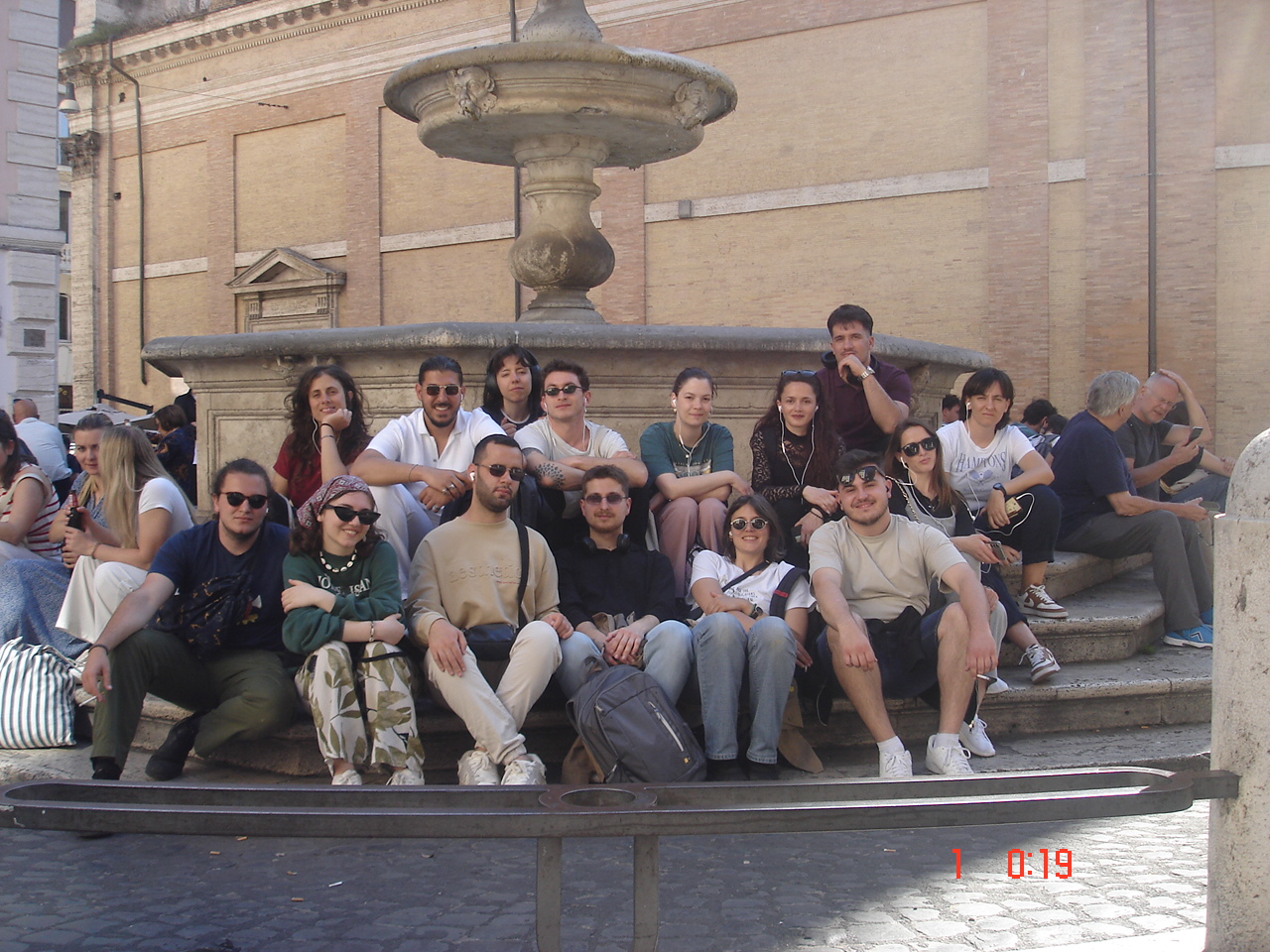
Foto di gruppo di giovani provenienti da diverse parti del mondo durante un’esperienza di volontariato internazionale.
The first Steering Team Meeting in Rome marked the beginning of the project’s coordinated implementation. Partners agreed on the project calendar, financial procedures, reporting deadlines and responsibilities for each Work Package, establishing a shared framework for cooperation. The meeting also set the basis for financial and time monitoring, with partners agreeing on regular budget updates, shared documentation and internal deadlines to ensure smooth coordination and timely delivery of project activities.
Giovani da tutto il mondo si incontrano in un progetto di mobilità internazionale per promuovere il dialogo interculturale
The Leadership in Youth Work Training Course in Catalonia focused on strengthening youth workers’ competences in leadership, communication, facilitation, conflict transformation, team management and youth empowerment. Through experiential learning, simulations and collaborative exercises, participants explored different leadership approaches and developed practical strategies for working with intercultural groups and supporting young people’s active participation.
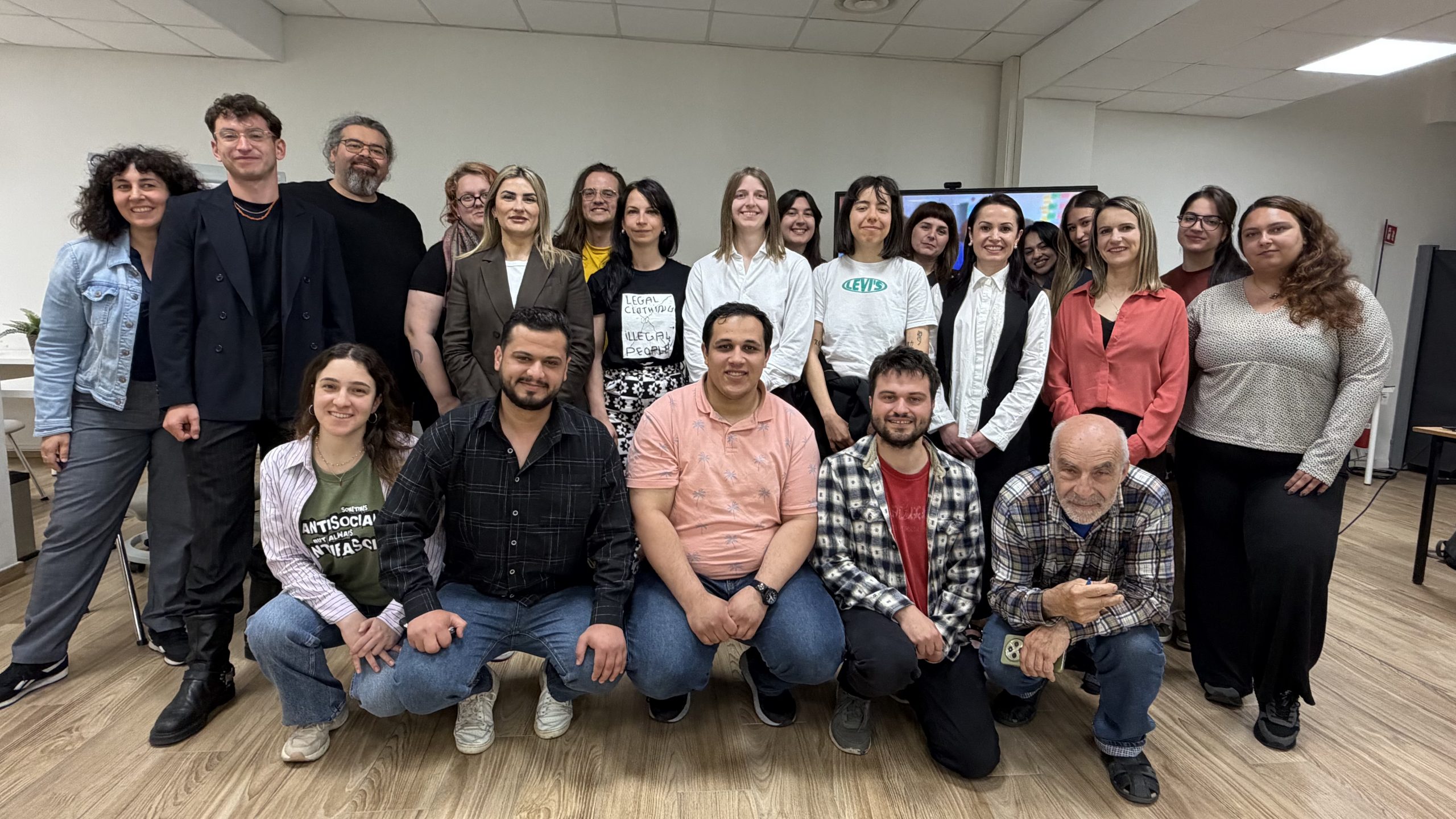
Gruppo di persone durante una formazione coordinatori organizzata a Roma dal Servizio Civile Internazionale.
The first Job Shadowing activity in Rome gave a participant from Albania the opportunity to gain first-hand experience of organisational management and international youth work within a more experienced partner organisation. By taking part in meetings, project planning and networking activities, participant developed practical knowledge of project coordination, volunteer management, communication and organisational procedures.
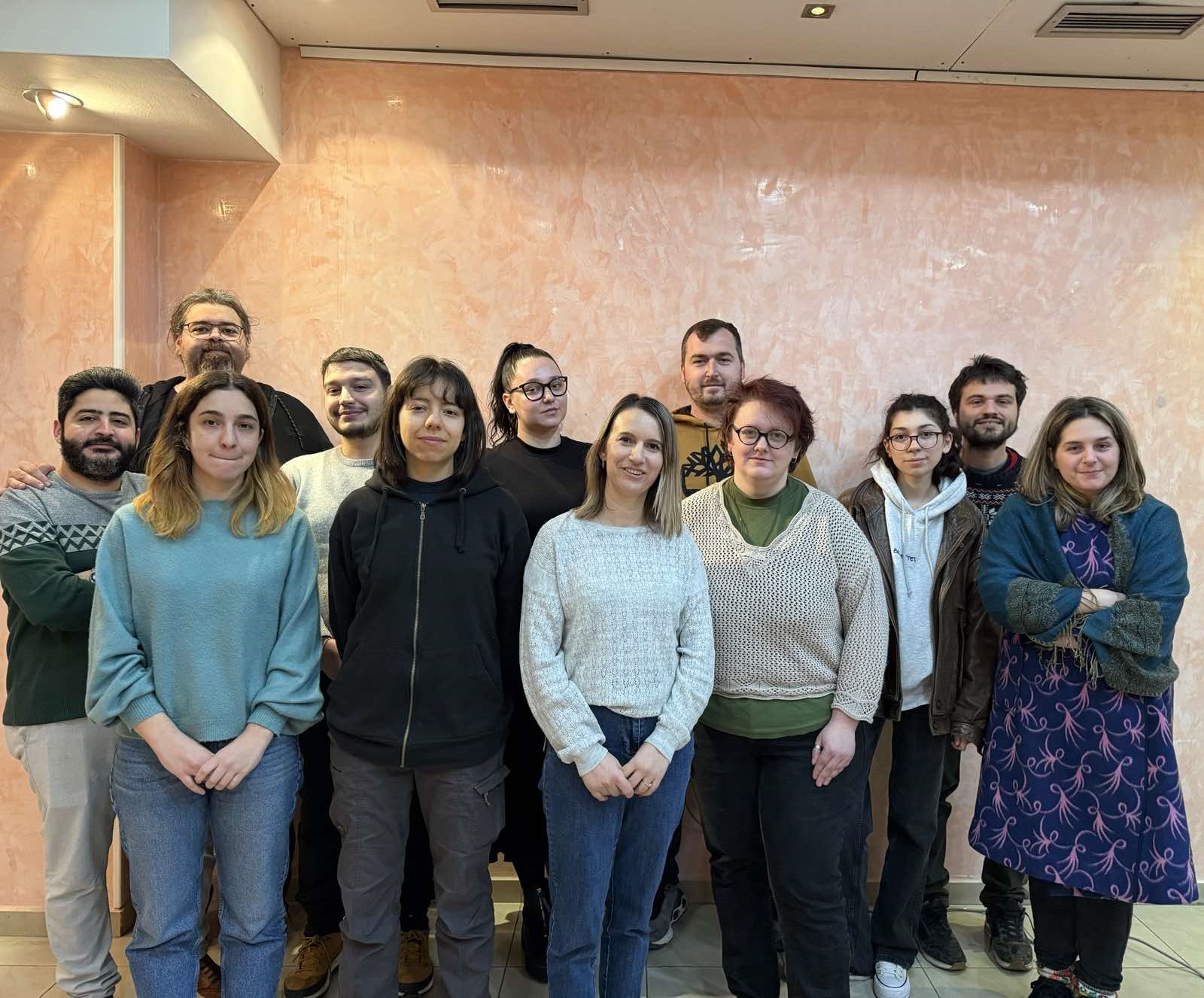
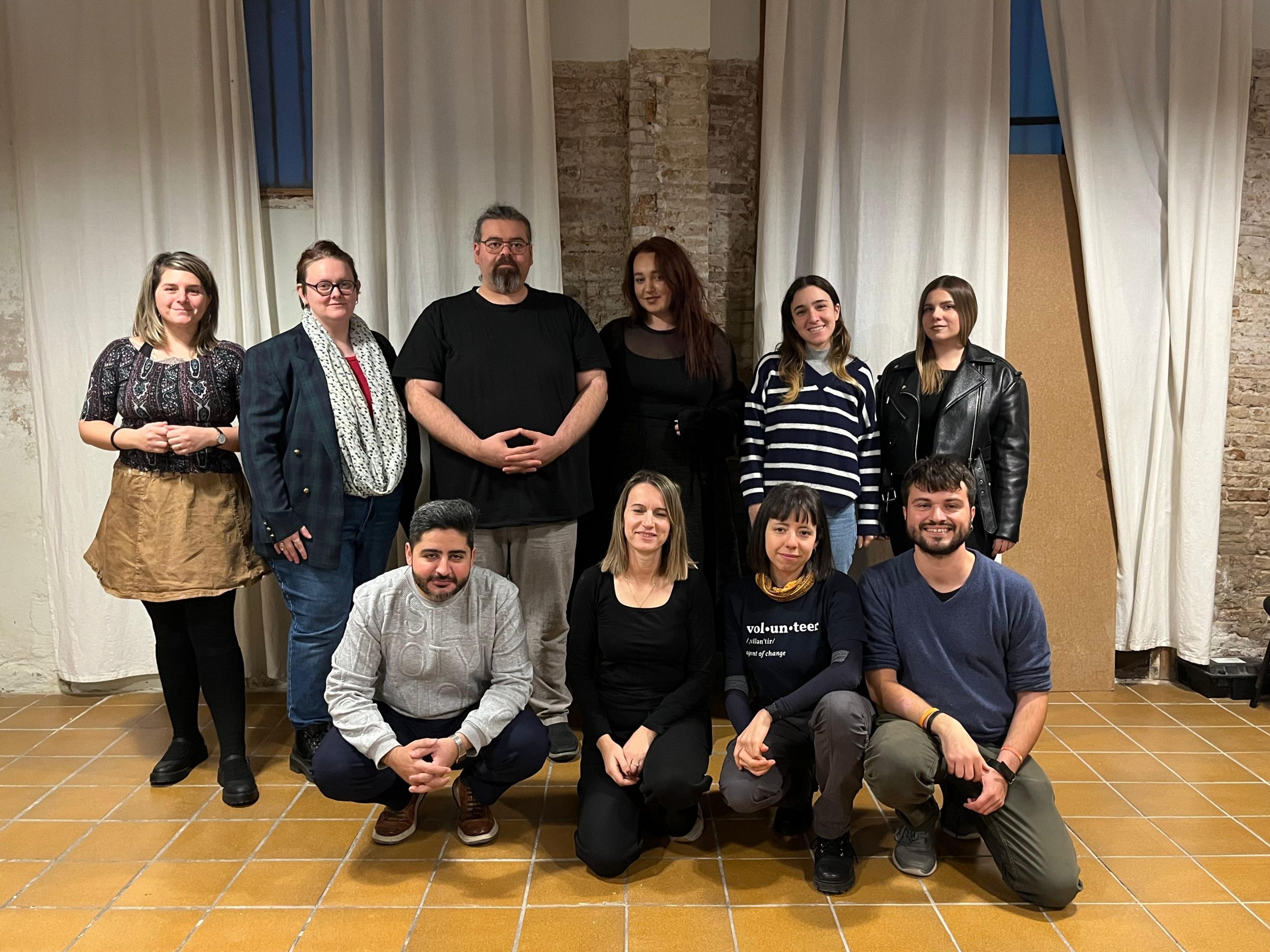
Foto di gruppo dello staff 2024 di una organizzazione non profit in Catalogna.
The second Job Shadowing in Barcelona supported peer learning and the exchange of organisational practices among partner organisations. The participant from Serbia was actively involved in the host organisation’s activities, gaining a broader understanding of project management, youth work practices, communication, networking and day-to-day organisational processes.
Mohammed parlando sulla sua organizzazione in Giordania a un gruppo di giovani in Macedonia.
The third Job Shadowing in Kumanovo contributed to strengthening organisational capacity through direct observation, participation and exchange with the host organisation. The activity allowed one youth participant from the Jordan organization to learn from different approaches to international cooperation, project coordination and youth work management, while contributing their own experiences to a mutual learning process.
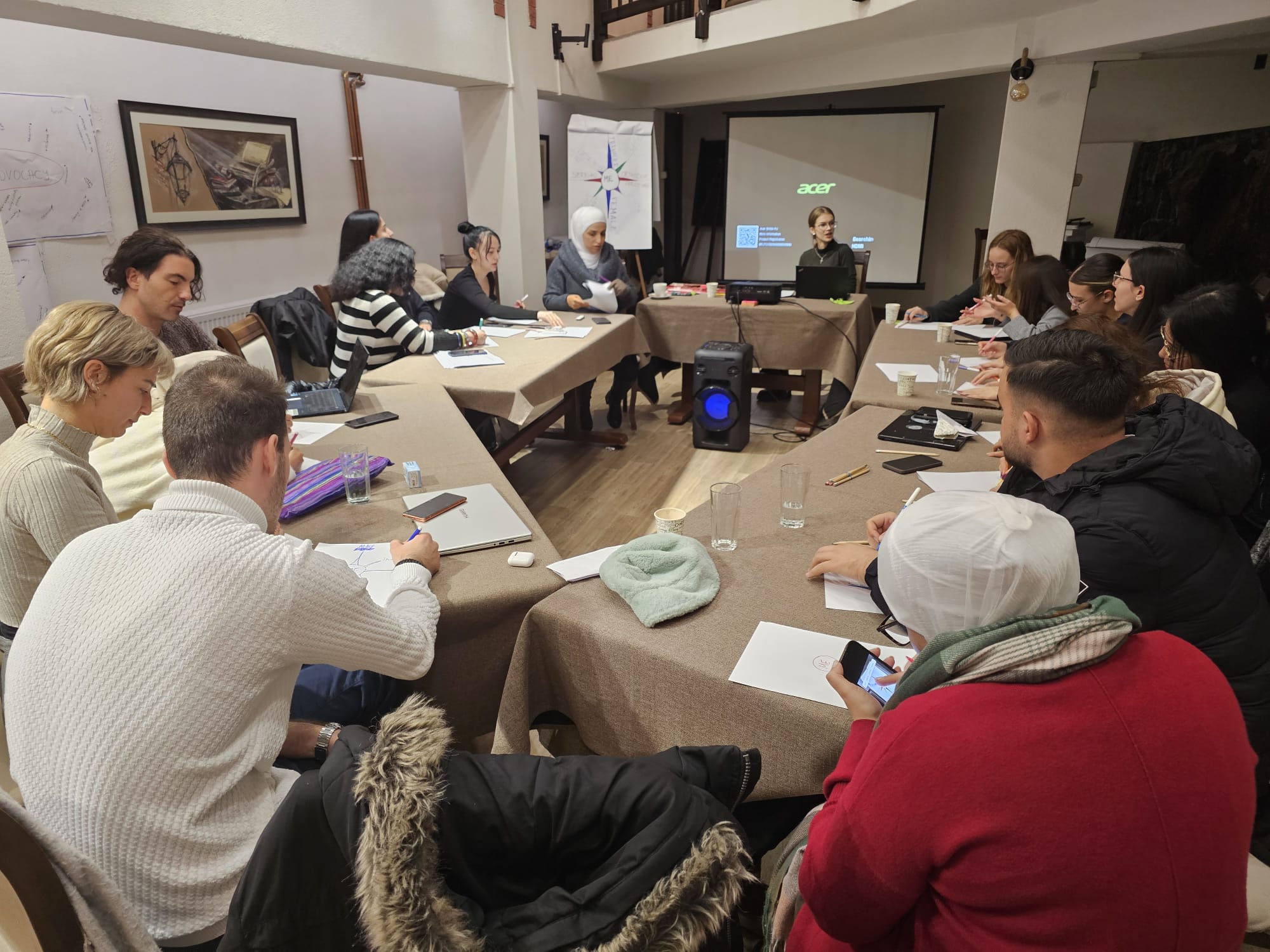
Gruppo di partecipanti durante un corso di formazione Erasmus+ in Serbia.
The Educational Walking Tours Training Course introduced participants to community-based educational methodologies centred on local history, inclusion and participatory learning. Youth workers learned how to analyse local communities, identify educational themes, involve local stakeholders and design walking tours that encourage critical thinking and civic engagement. The combination of non-formal education, storytelling and place-based learning provided the methodological foundations for the Educational Walking Tours later tested during the project’s pilot activities.
Il gruppo di partecipanti durante il corso di formazione sul digital story telling in Giordania.
The Digital Storytelling Training Course in Ajloun strengthened participants’ digital competences through practical work on multimedia production, video editing, photography, ethical storytelling, online communication and digital advocacy. Participants learned how to transform community stories into engaging and accessible educational resources, developing skills that were later applied to the project’s digital and Educational Walking Tour activities.
The Research and Advocacy Training Course in Kumanovo strengthened youth workers’ competences in participatory research, advocacy, evidence-based communication and policy development. Participants explored how to collect and analyse evidence, communicate with decision-makers and use research to support advocacy actions, with particular attention to the role of Educational Walking Tours and digital storytelling in promoting civic participation and social inclusion. The training provided an important foundation for the participatory research and policy work developed later in STAR, helping participants become more confident in communicating the impact and educational value of youth work.
The second Steering Team Meeting in Tirana provided an opportunity for partners to review the progress of the project and assess the implementation schedule in light of the activities already completed. The partnership confirmed that the project was progressing according to plan and made minor adjustments where needed to improve coordination and respond to practical implementation needs. The meeting also reinforced the importance of flexibility and early communication when addressing unforeseen logistical or organisational challenges.
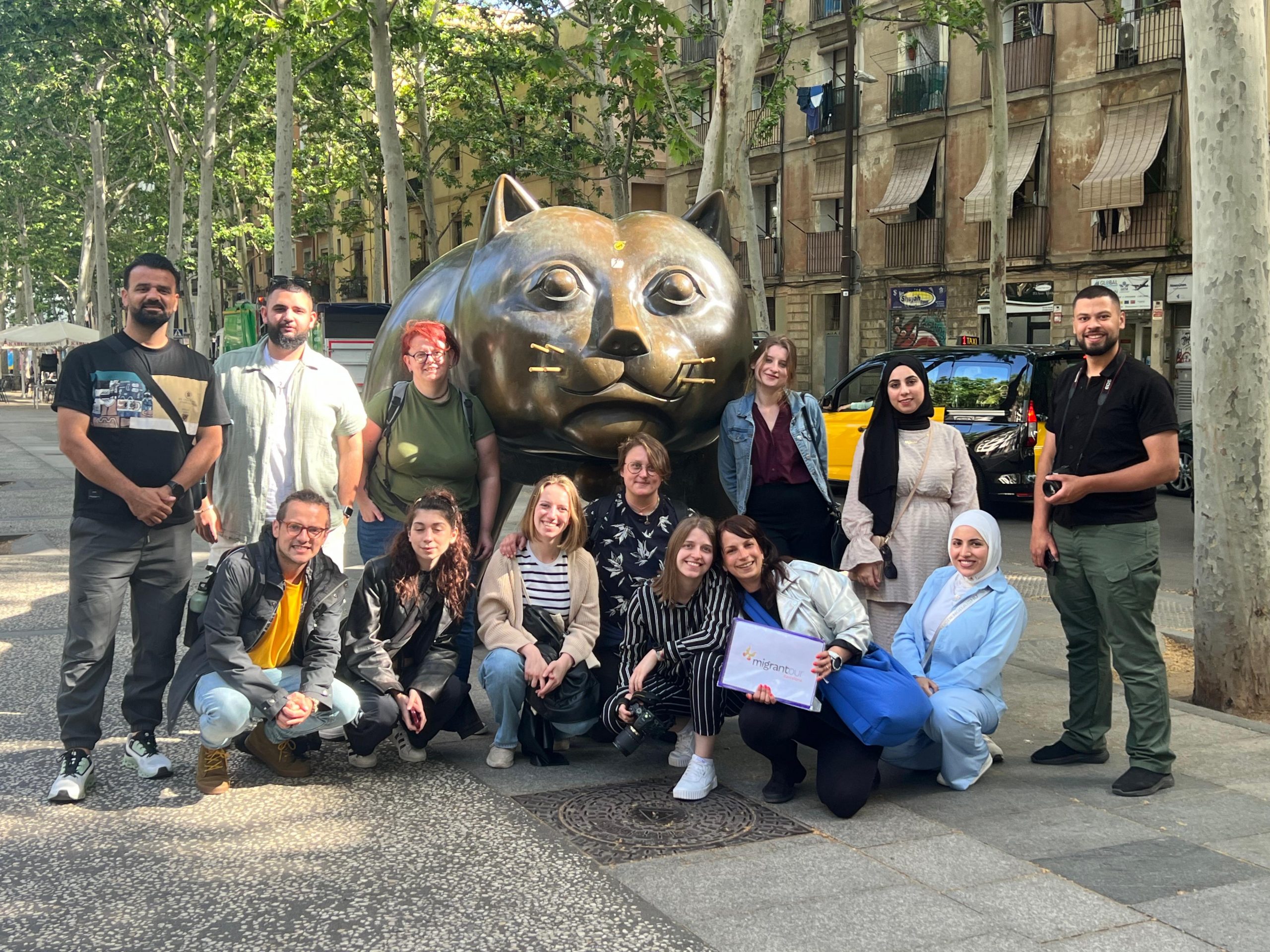
The Catalunya Pilot Tour-Action in Barcelona brought young people together to explore the city through community storytelling and Educational Walking Tours. Participants investigated themes such as migration, homelessness, sustainability and social inclusion, developing routes including Arab Barcelona, Queer Barcelona and Second-hand Barcelona. Through research, field observation and multimedia storytelling, they learned to critically explore urban spaces and highlight diverse community narratives, strengthening their digital, intercultural and storytelling competences.
The third Steering Team Meeting in Barcelona focused on continued coordination and monitoring as the project moved towards its later implementation stages. Partners reviewed the progress of activities, deliverables and upcoming deadlines, ensuring that the different Work Packages remained aligned. The meeting also supported the continued coordination of financial and operational aspects, helping partners identify potential risks early and ensure the timely completion of high-quality project results.
The STAR Final Conference in Rome brought together project partners, youth workers, young people and other stakeholders to present the project’s results, share experiences and reflect on the impact of Educational Walking Tours and digital storytelling. The event provided an opportunity to showcase the methodologies, tools and resources developed throughout the project, discuss the lessons learned from the pilot activities and explore how the STAR approach can be further used in youth work and community-based education. It also strengthened the exchange of practices among partners and participants and created space to discuss the future use and transferability of the project’s results.
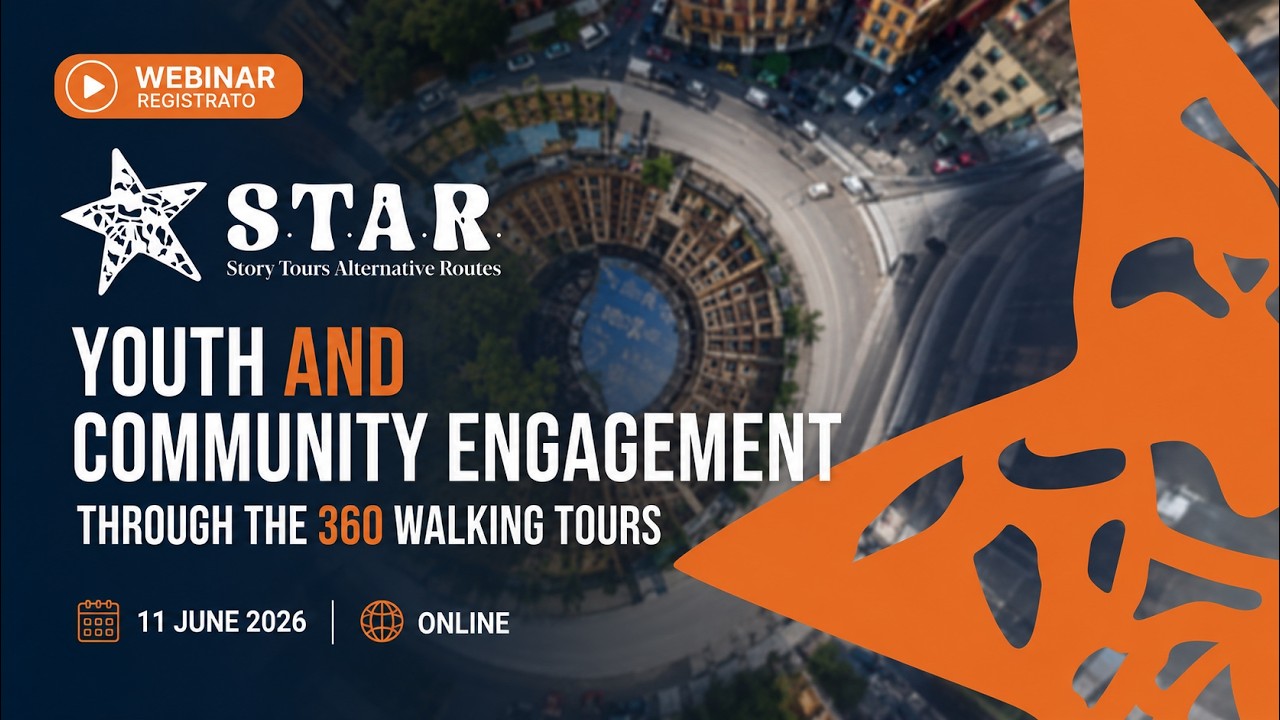
The Webinar explored how 360° technology and digital storytelling can be used to create innovative, participatory and accessible Educational Walking Tours. The webinar presented experiences and examples developed during the STAR project, highlighting how young people and youth workers can use digital tools to document local stories, explore community issues and engage wider audiences. Participants also had the opportunity to discover how 360° tours can connect local places, storytelling, youth participation and community engagement, extending the educational experience beyond the physical walking tour.
Torna in alto