
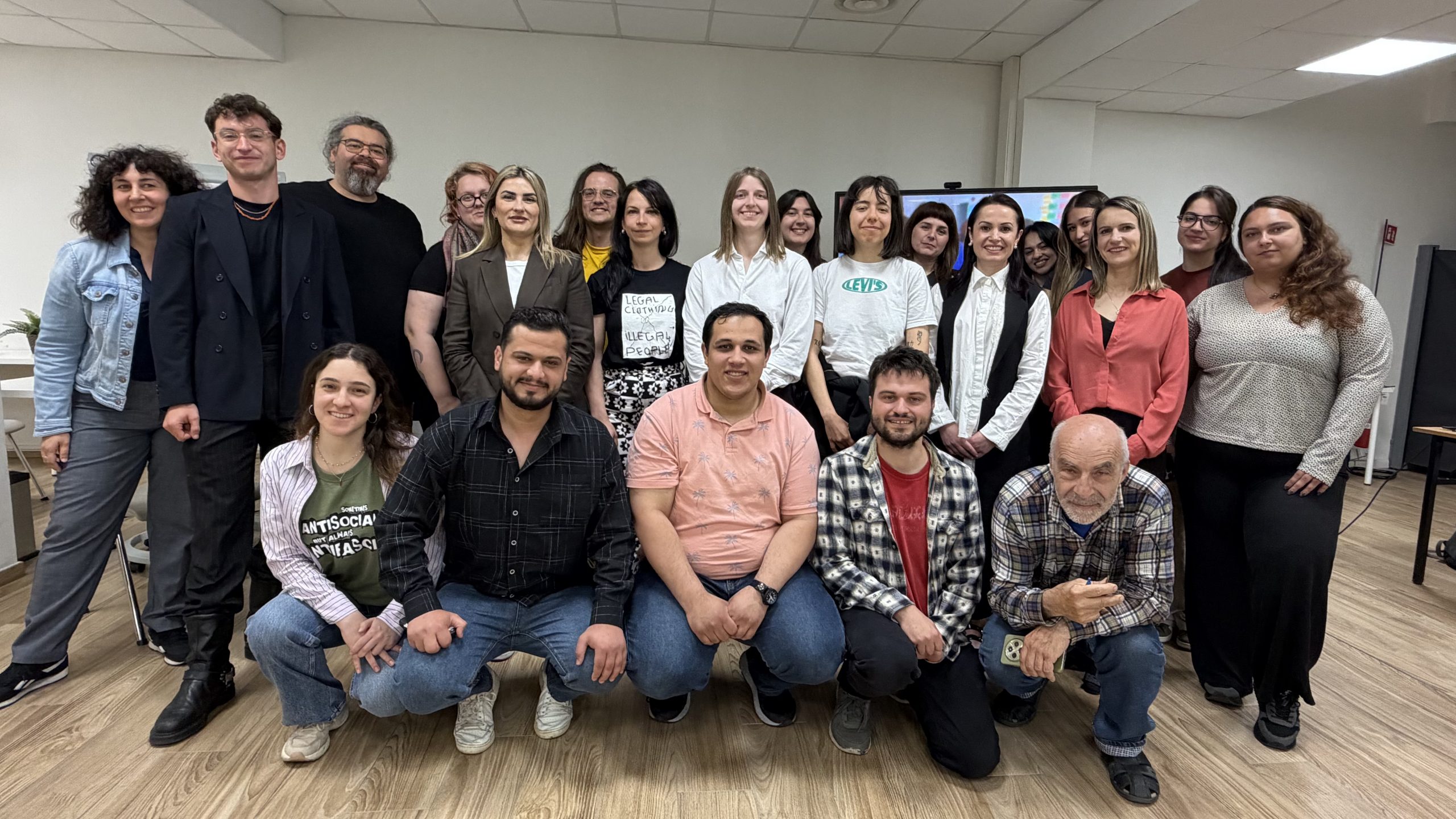
From 11 to 14 May, the partners of S.T.A.R: Story Tours Alternative Routes gathered in Rome for the project’s Final Conference, hosted by Servizio Civile Internazionale APS. The event brought together partner organisations, youth workers, young people, local stakeholders and policy makers to reflect on two and a half years of cooperation and on the future of Educational Walking Tours as both a precious tool for alternative and sustainable tourism practices and an instrument for youth work that fosters youth empowerment, participation and inclusion.
We began our first day in San Lorenzo with the local alternative walking tour project Guide Invisibili. Participants discovered the neighbourhood through an “invisible audio-guide” led by Marwa, from Palestine, listening to personal stories and community perspectives of some of Rome’s multiple anonymous migrants. We featured Guide Invisibili during our closing event because it’s such a powerful example of what walking tours can achieve. Instead of the usual tourist routes, the initiative explores Rome’s neighborhoods through the lived experiences of those forced to flee their countries for political, economic, or conflict-related reasons. It’s a moving counter-narrative project that gathers and shares the kind of personal testimonies that are so often left out of traditional stories about the city.
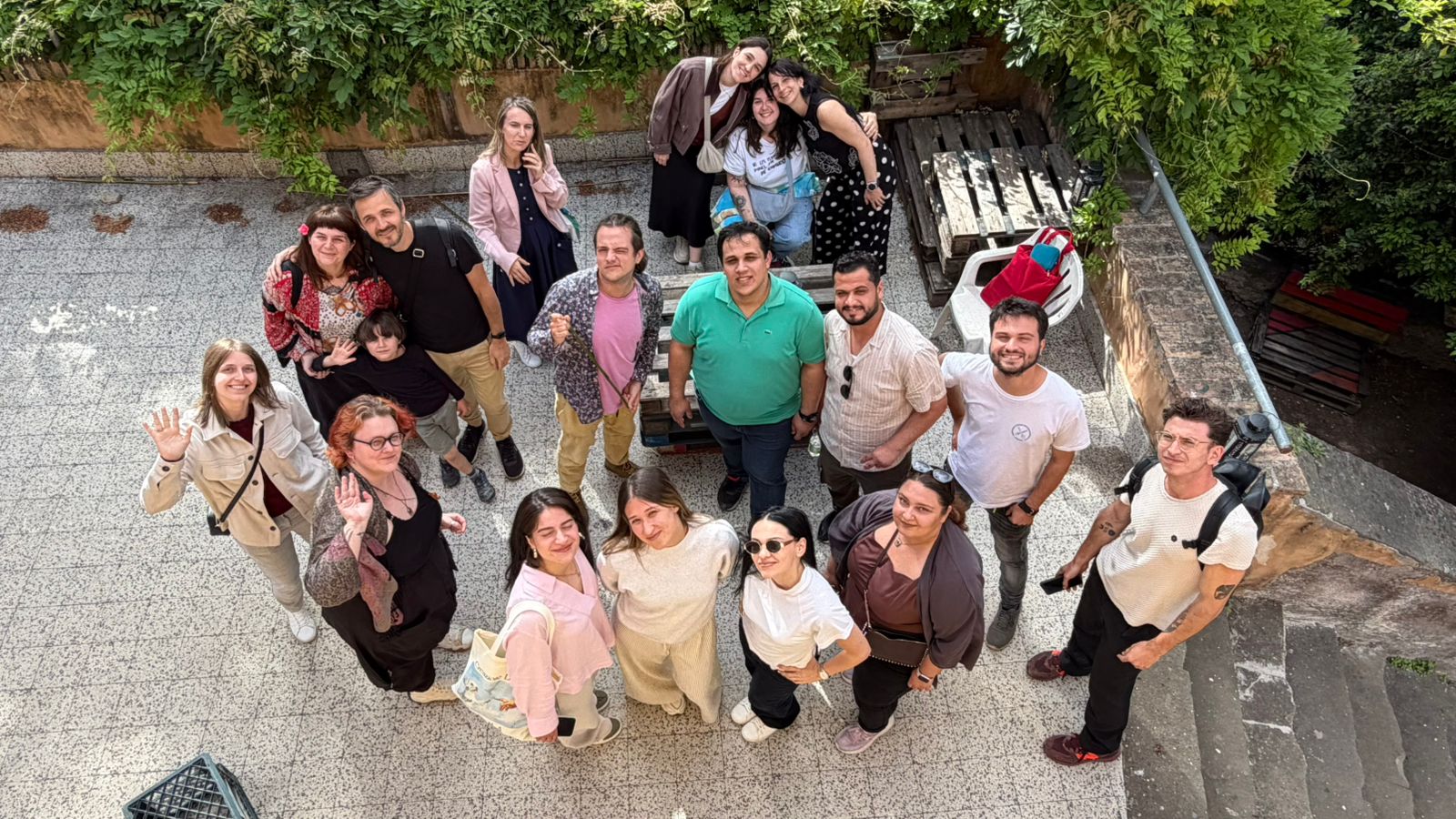
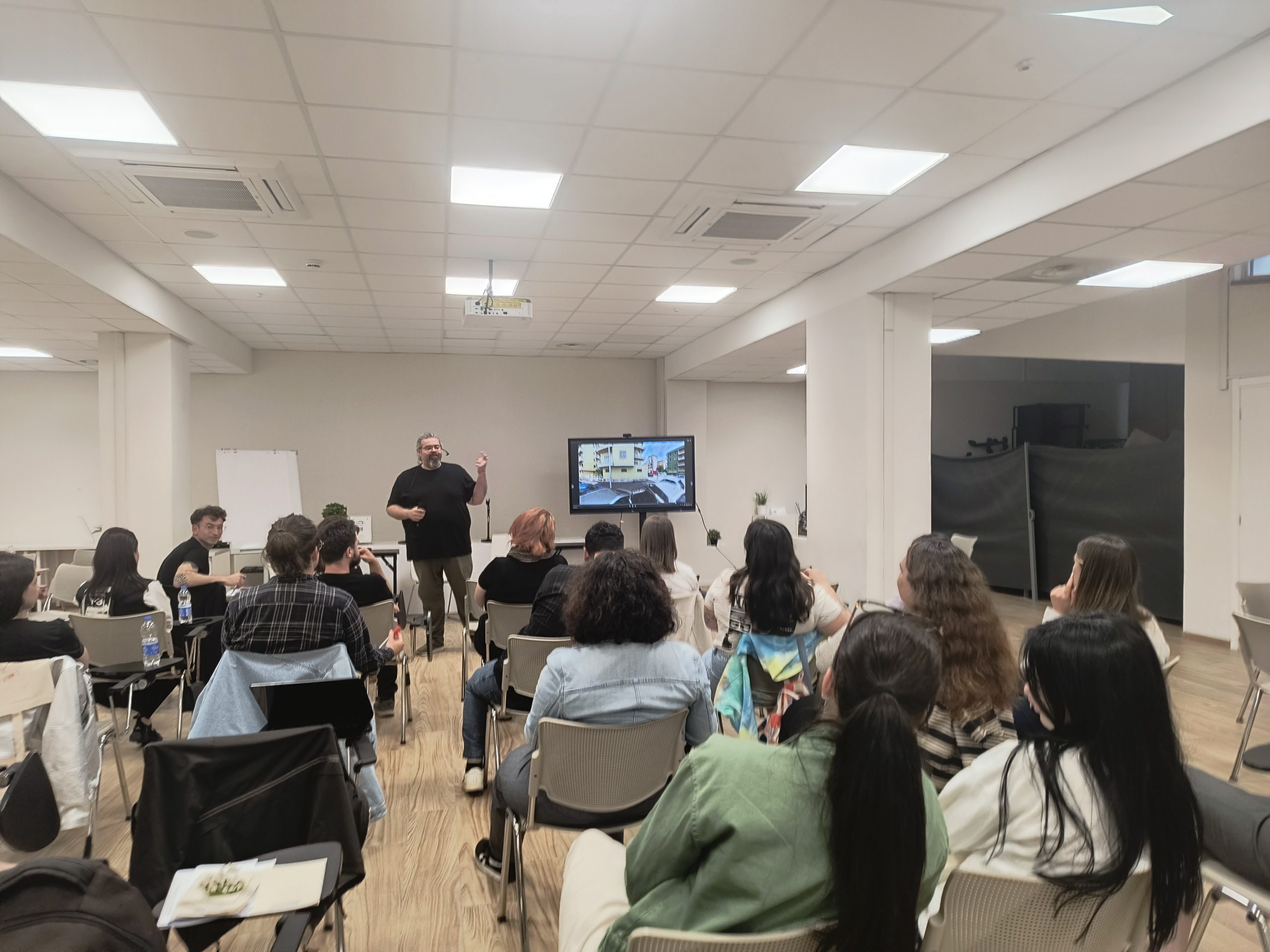
We continued the first day at La Città dell’Utopia, SCI Italy’s social and cultural laboratory in the San Paolo neighbourhood. There, participants joined two workshops: “Migrantour: Rethinking Sustainable Tourism Through Migration and Storytelling”, led by SCI Catalunya, and “Ecoscopy of Migration: Four Futures in Motion”, led by VCV Serbia. Both activities connected migration, storytelling, sustainability and possible future scenarios with the STAR methodology. Through creative thinking, city mapping, role plays and interactive sessions, peers were able to channel the skills they’ve built up over the last two and a half years.
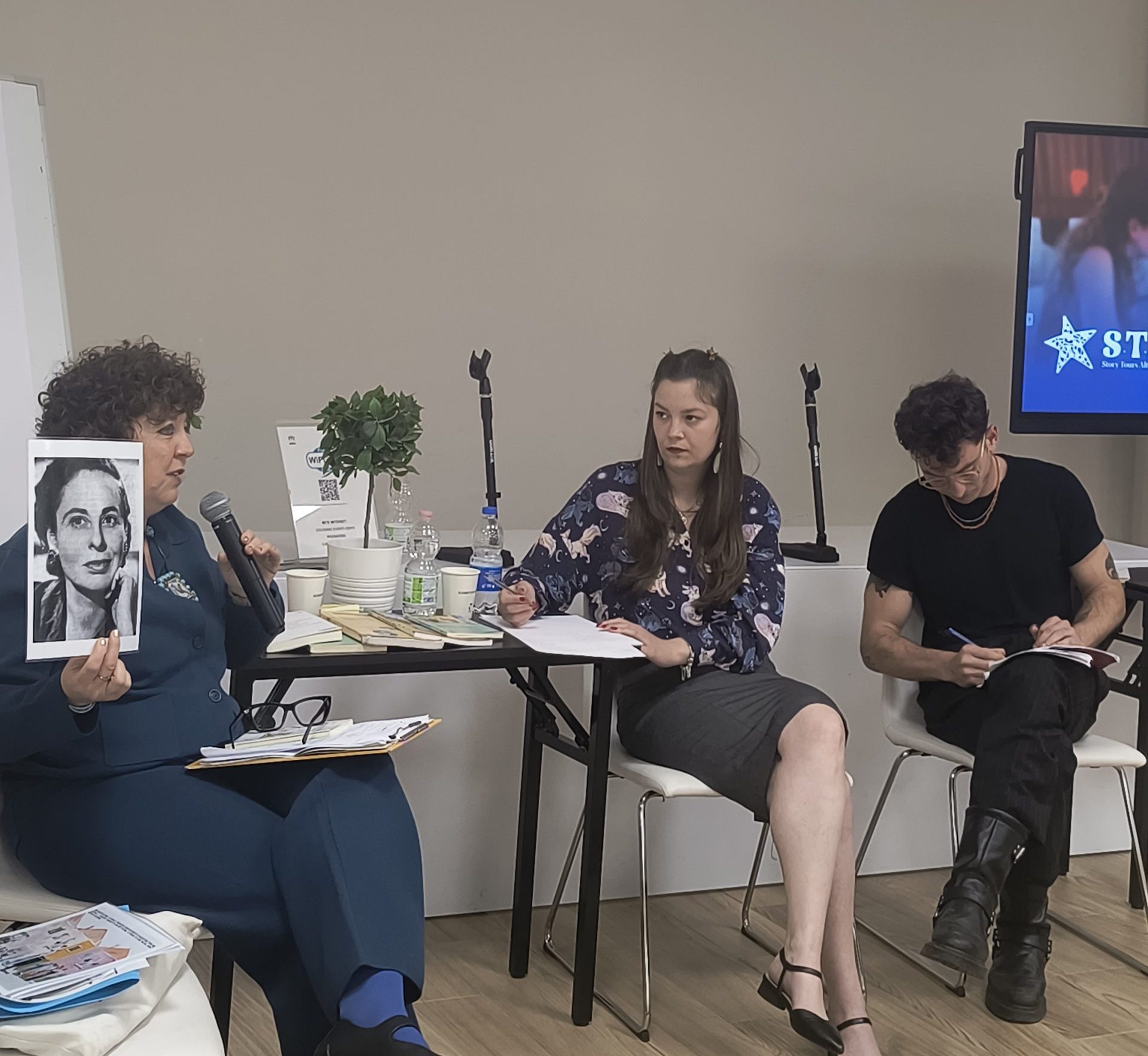
The second day opened at the Polo Formativo with the public panel “Conventional VR Alternative: communities, youth and tourism”, moderated by Franceska from VCV Serbia. The panel brought together different voices from the STAR partnership and from local institutions: Ida from VCV Serbia introduced the organisational perspective, Alberto Terrago and Andreea Dragomir from SCI Catalunya shared the youth experience and the Migrant Walking Tours in Barcelona, while Fabrizio Astolfoni and Marta Urigüen from SCI Italy reflected on the role of SCI Italy as coordinator, on digitalisation, and on the community-based work of “La Città dell’Utopia”.
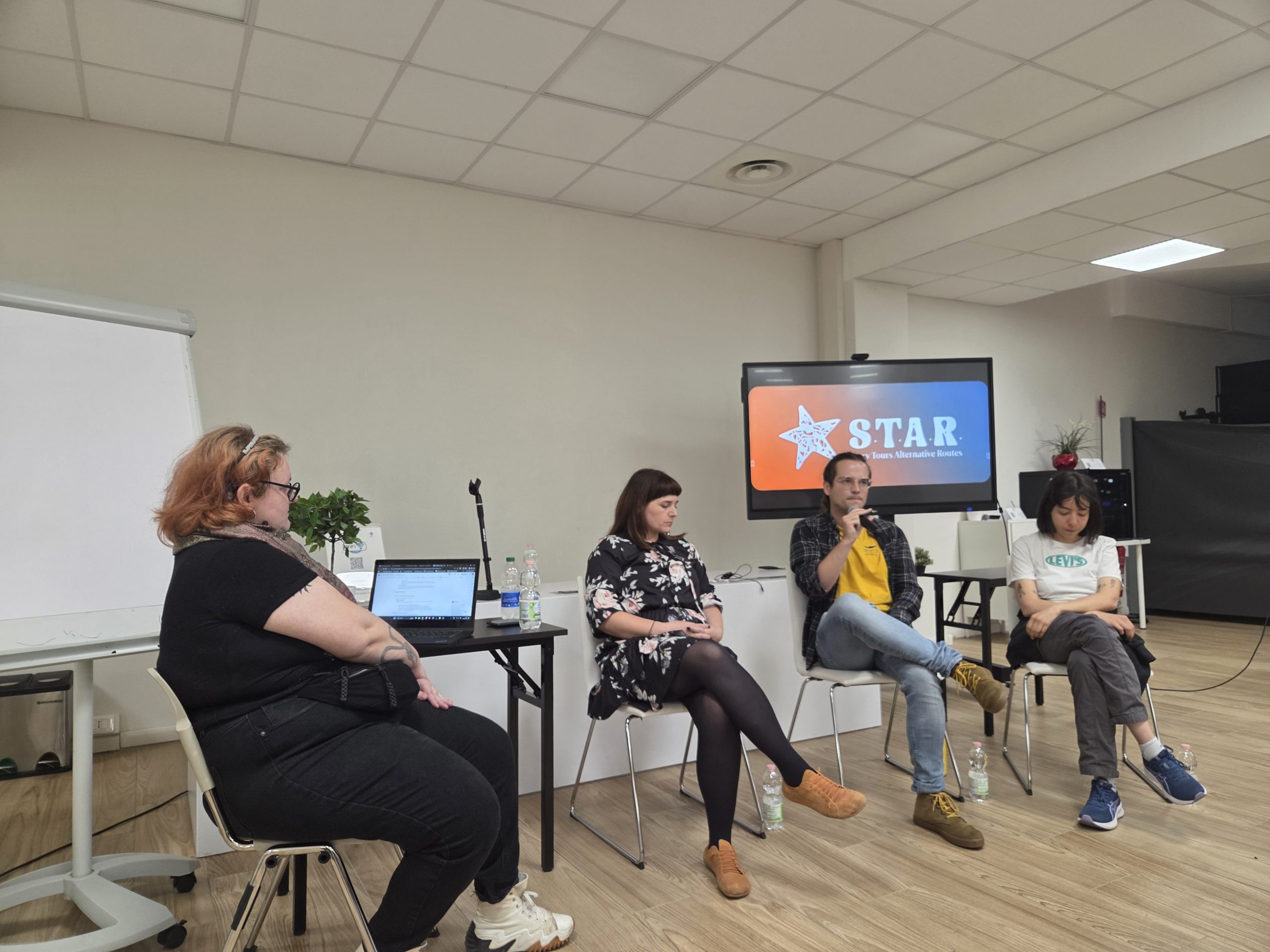
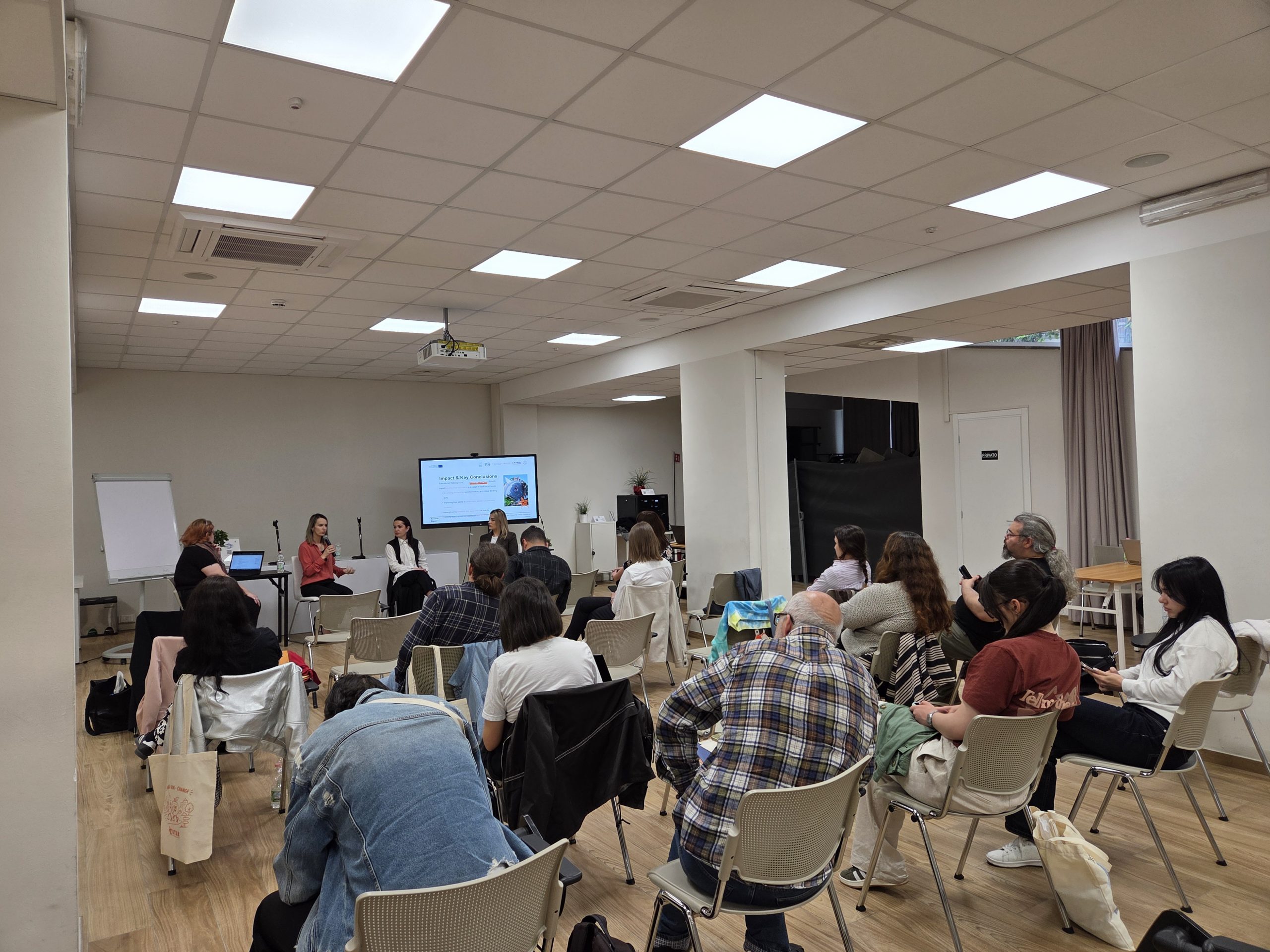
Oltiana Rama from PVN Albania presented the STAR research, and policy makers from Tirana and Elbasan shared how municipalities can support alternative youth policies and connect them with tourism, environment and local development. Jovana from CID North Macedonia also contributed to the discussion from the perspective of youth work and regional cooperation.
The panel focused on digitalisation as a tool rooted in real communities, not as a replacement for human encounters. Starting from the idea of “conventional VR alternative”, participants discussed how digital storytelling, maps, videos and online resources can strengthen Educational Walking Tours, make local stories more visible and help young people become active narrators of their territories. The discussion showed that digital tools are most meaningful when they remain connected to local voices, public spaces and community relationships.
After the panel, the STAR Policy Framework round table turned the discussion into concrete proposals. Facilitated by CID North Macedonia and PVN Albania, participants worked in six groups around different target groups and sections of the policy paper. Each table discussed how Educational Walking Tours could be recognised, supported and used by youth organisations, municipalities, schools, cultural institutions and policy makers. The session helped collect shared recommendations and clarify how the policy paper can be used after the project: as an advocacy tool, a starting point for local dialogue and a resource to promote Educational Walking Tours as a public youth work instrument.
In the afternoon, the conference hosted “Beyond Gentrification: Local Tourism and Urban Change”, a conversation with Irene Ranaldi, moderated by Eric Pirger from SCI Italy. Irene is an urban sociologist and a specialist on redevelopment who published multiple works on gentrification and overtourism. She is also the president of the association Ottavo Colle that implements slow walking tours in Rome’s peripheral neighbourhoods in collaboration with the local communities. During the conversation Irene and Eric reflected on how walking can help us read cities beyond their tourist image, uncovering hidden stories, listening to local communities and understanding urban change from the ground up.
Over the past two and a half years, STAR developed a shared educational methodology, organised international training, tested Educational Walking Tours in different local contexts and created a set of practical and research-based resources for youth organisations and educators. These include the Educational Walking Tour Toolkit, the STAR Research Report and the Policy Advocacy Paper, all designed to support the recognition of Educational Walking Tours as innovative tools for non-formal education and community engagement.
The project not only showed that walking, storytelling and digital tools can help young people become active researchers, narrators and contributors to their communities, but it also highlighted a crucial need in our rapidly digitalizing world: the challenge is no longer just about providing youngsters with the necessary digital knowledge and equipment, but also about building meaningful bridges that balance the digital and the physical world, that is connecting technology with real places, local voices and community engagement.
Although the project is coming to an end, the work started through STAR continues. We as a partnership believe that Educational Walking Tours can remain a powerful tool for youth empowerment, social inclusion, intercultural dialogue and active citizenship. STAR successfully confirmed that young people love to engage critically and creatively with their territory. During the last two years, we have enabled youngsters to read spaces through their own eyes and share stories through their own voices has become a cornerstone of our youth work. This approach not only helps us to understand how they perceive our rapidly changing world, but also motivates them to take an active role in its transformation and develop essential critical skills. Thanks to this powerful collaboration, now there is a more shared conviction among us: walking, listening and storytelling can help young people reconnect with places, challenge dominant narratives and actively shape more inclusive communities, and, therefore, a more sustainable future.
The S.T.A.R: Story Tours Alternative Routes project was implemented by partners from Italy, Spain, Albania, North Macedonia, Serbia and Jordan, and co-funded by the European Union through the Erasmus+ KA220 Cooperation Partnership programme, with the support of the Italian Youth Agency.
Patterns organizations:
- Space For Sustainable Development, Jordan
- Projekte Vullnetare Nderkombetare, Albania
- Center For Intercultural Dialogue Association, North Macedonia
- Volonterski Centar Vojvodine, Serbia
- Servei Civil Internacional De Catalunya, Spain